

Empowering Digital Transformation with
AI Innovation
Agmo Group is a Main Market-listed tech conglomerate offering bespoke development across Agentic AI, Mobile SuperApps, Lark, Cloud Modernization, MyDigital ID, and EV solutions. We build proprietary products (Agmo Health, Agmo EV, JomeInvoice) and AI platforms (SME Hero, Merdeka LLM, Glem AI, AI Doc Lab), supported by AWS, Microsoft, Alibaba, and Lark managed services, alongside the Agmo AI Academy.
Agmo Group is a Main Market-listed AI transformation partner specializing in Agentic AI. Powered by certified AI Architects acting as Forward Deployed Engineers (FDE), we partner with Anthropic and OpenAI, deploy our proprietary Merdeka LLM, and provide high-performance GPU-as-a-Service via SMS for corporates and government agencies.
Agmo Group is a Main Market-listed company driving ESG digital transformation for enterprise and government. Our sustainable tech ecosystem includes the Agmo EV SuperApp and middleware, Gtrons—a joint venture with Solarvest for clean energy solutions—and Riiicycle, an intelligent circular economy recycling platform.
Agmo Group is a Main Market-listed digital transformation firm delivering enterprise Cloud Modernization and sovereign cloud infrastructure across Malaysia. Partnering with Microsoft, AWS, Alibaba Cloud, and BytePlus, we build, migrate, and manage secure, compliant environments for corporates and government agencies.
Agmo Group is a Main Market-listed company growing Malaysia’s AI talent and community through the Agmo AI Academy and its alumni, alongside the n8n Malaysia, AI Malaysia Kaki, Claude AI Malaysia and CXO AI Club communities, and Konsortium AI Negara (KAIN).
Agmo Is Now a Claude Select Partner in Malaysia
Agmo has achieved Select partner status in the Claude Partner Network Services Track. Our practice is recognized to deliver Claude for customers, and we're building from here.
Before engaging any Claude partner, check the Claude Partner directory. Agmo Studio Sdn Bhd is listed.

Agmo Is an OpenAI Select Partner in Malaysia
Agmo is an active member of the OpenAI Partner Network at the Select tier, helping organisations in Malaysia and Southeast Asia build, deploy and scale AI with OpenAI technologies, including ChatGPT Enterprise, the OpenAI API and AI agents.
Letter from OpenAI dated 11 October 2026, confirming Agmo Studio Sdn Bhd’s current Partner Network membership and tier.
Trusted by leading corporates across
Malaysia, Singapore and Global

















We build awesome apps.
We have a team of more than 250 professionals, dedicated to building the coolest technology products. Founded in 2012, we have already developed and published more than 300 bespoke digital solutions across iOS, Android and web, serving enterprise customers from different industries including telco, automotive, oil & gas, retail, healthcare, financial services, government agencies and more — including 10 Fortune Global 500 companies and top listed companies across Malaysia, Singapore, and Hong Kong. Agmo Studio is the winner of many local and international awards, including 6× MSC Malaysia APICTA Awards, ASEAN ICT Awards, 2× Asia Smart App Awards, WITSA Global ICT Excellence Awards, Celcom Android Mobile App Developers Challenge and Microsoft Top Partners Awards.
Our Services
From Agentic AI to enterprise cloud modernization — explore what we build.
CMMI Level 3 & ISO Certified
Agmo Group is proudly recognized with CMMI Maturity Level 3 (ML3), demonstrating that our processes are well-defined, standardized, and consistently applied across all projects.
CMMI ML3
Well-defined, standardized processes consistently applied across every project we deliver.

ISO 27001
Rigorous information security management protecting client and project data end to end.
ISO 9001
Consistent quality management delivering reliable, high-standard outcomes every time.

ISO 20000-1
Structured IT service management for dependable, responsive delivery and support.
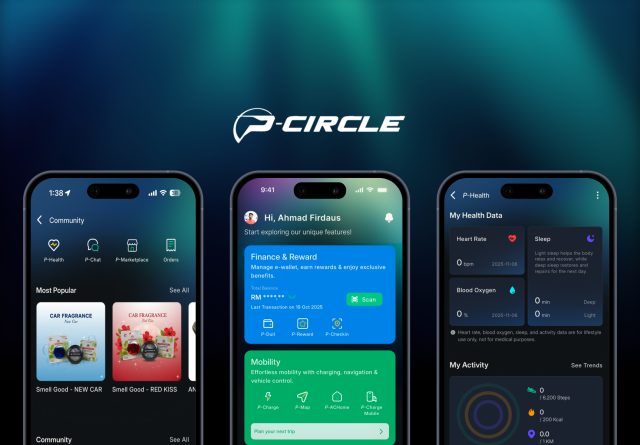
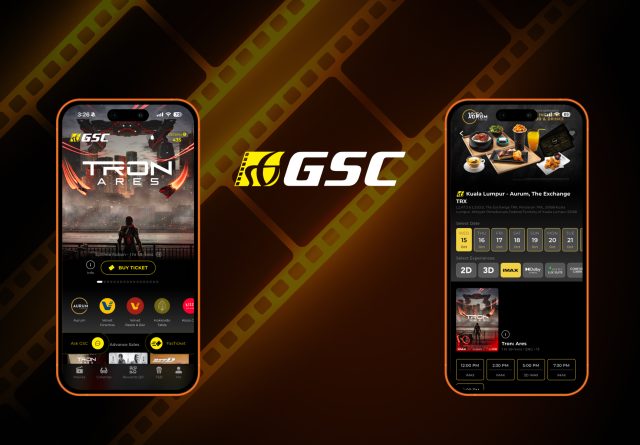
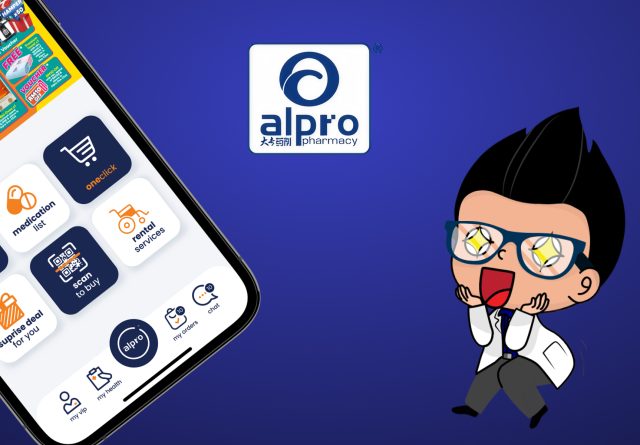
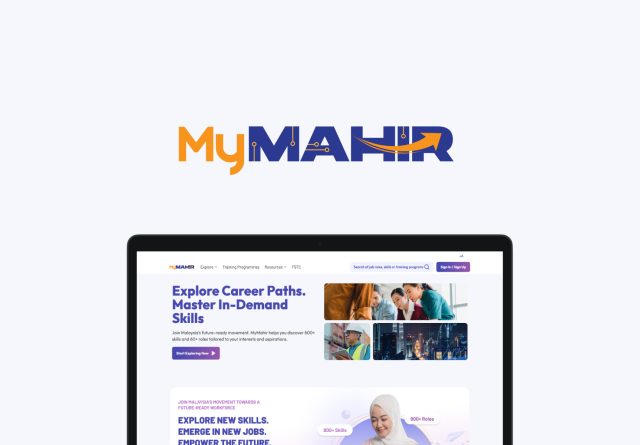
What our customers say
We entrust Agmo Studio as our strategic and tech partner. We feel very privileged to collaborate once again with Agmo Studio — helping us realize our dreams and vision in the healthcare sector.
Agmo has been our solid technology partner since 2012 for high technology research and development in the space of IoT, Blockchain, AR/VR and more.
You developed and delivered in a timely and high quality manner a series of new experiences at OEFA 2018. The live-streaming, heatmap and analytics were value-adding and consistently high quality. Great job!
Agmo Studio have become a trusted resource and partner from the moment they began collaborating with us in 2018. Their enthusiasm for the product and dedication to timely, efficient solutions made the decision easy.
Awards. Proven. Trusted.
Awards Winning
Multiple international ICT Awards, including APICTA Awards, ASEAN ICT Awards, Asia Smart Apps Awards, WITSA Global ICT Awards and Microsoft Top Partner Awards.
We Are Proven
Developed and published more than 300 high-complexity digital solutions across various platforms since 2012.
Trusted Company
Preferred app developer for big brands, multinational companies and government agencies, including 10 Fortune Global 500 companies.
People busy making your dream a reality.
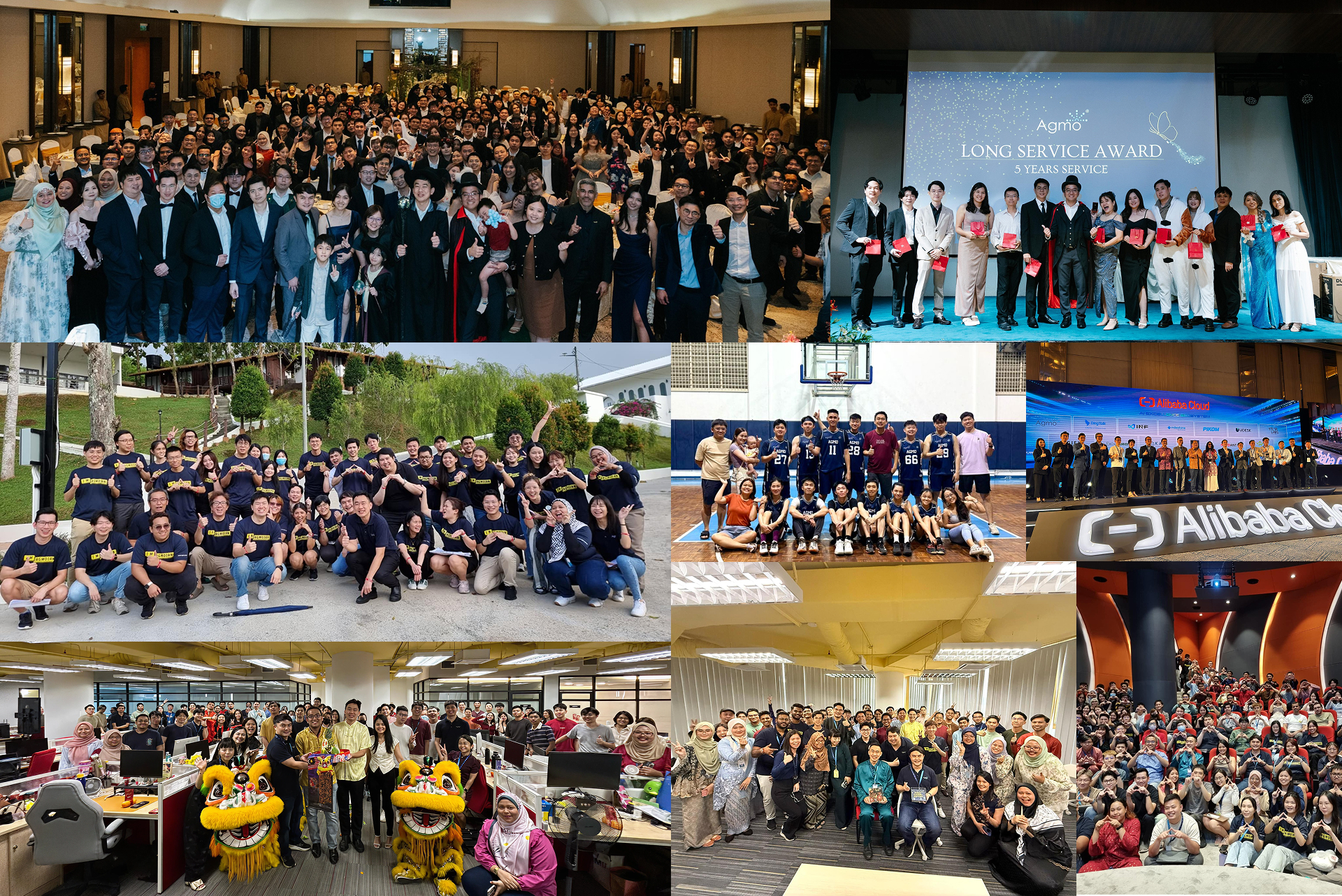
Two full floors, built for building.
Level 38 & 39 of Zetrix Tower — 22,000 sq ft purpose-built across a collaboration & meeting space, an engineering & product floor, and a dedicated training & workshop room.
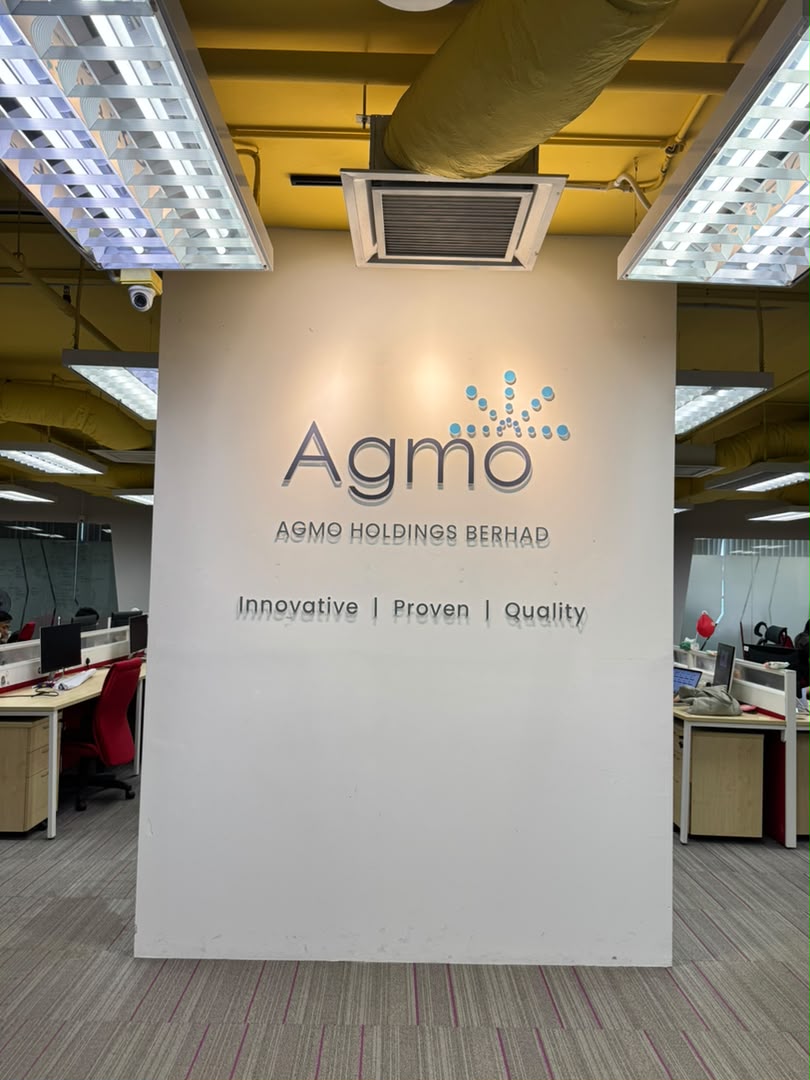
Agmo HQ signage
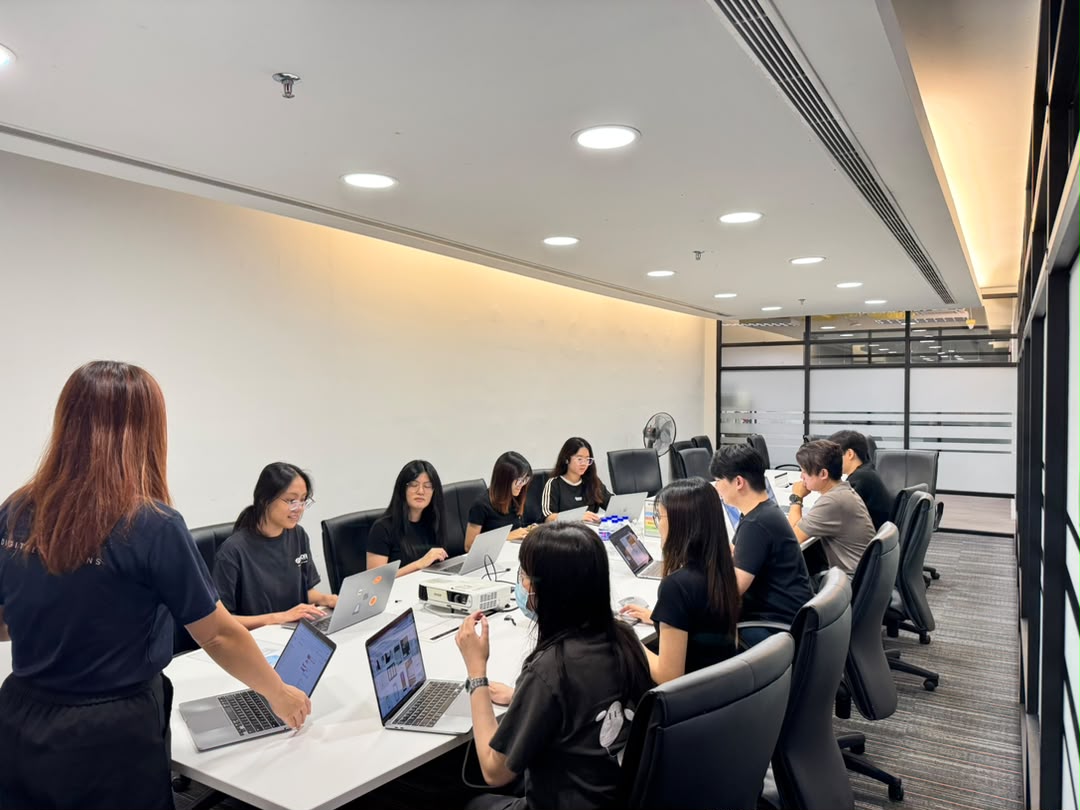
Collaboration & meeting space
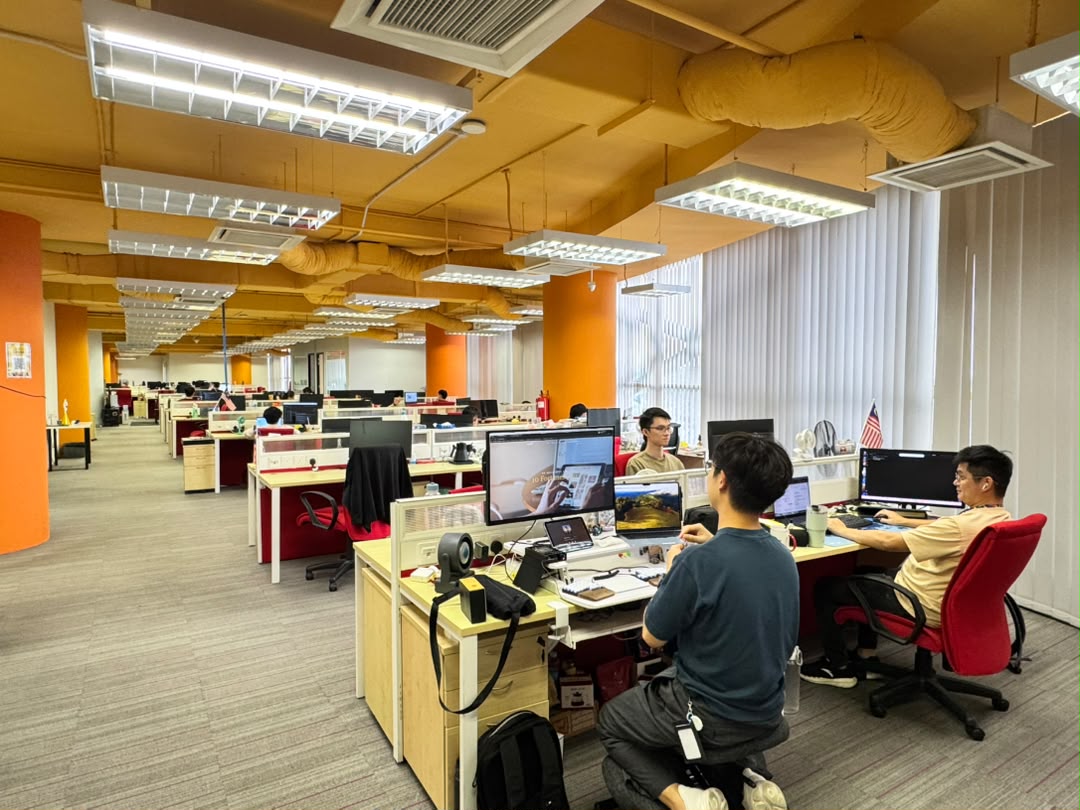
Engineering & product floor
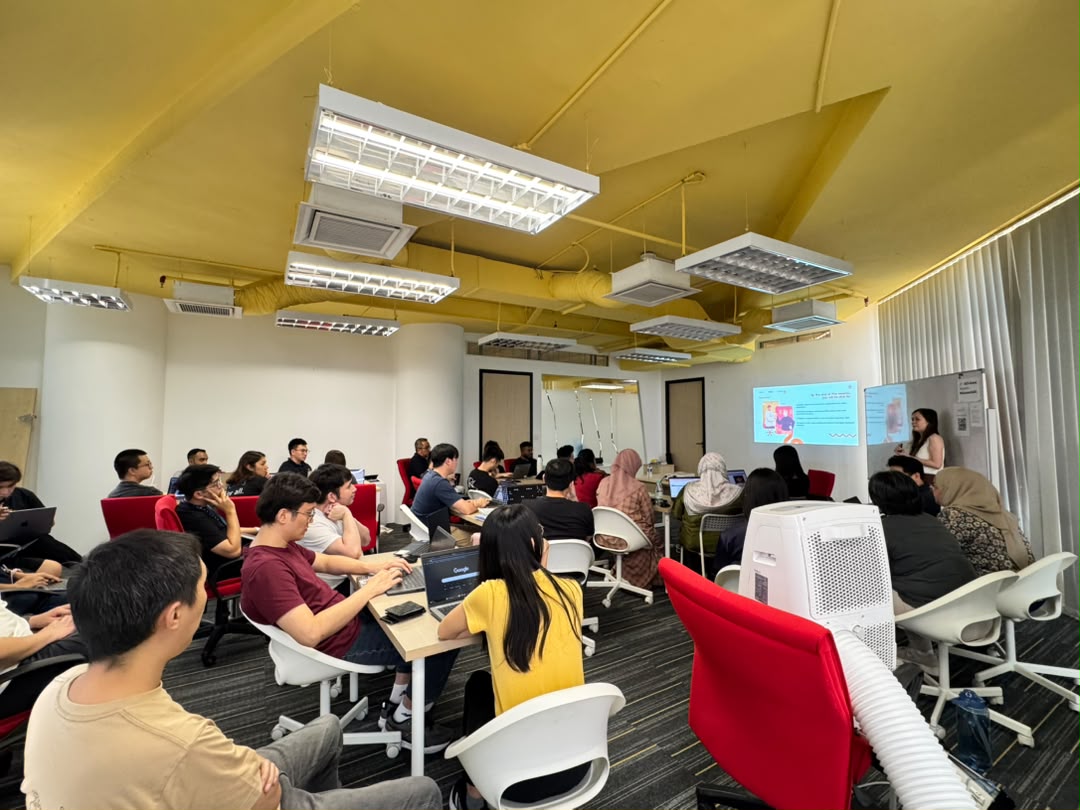
Training & workshop room
State-of-the-art equipment, not slideware.
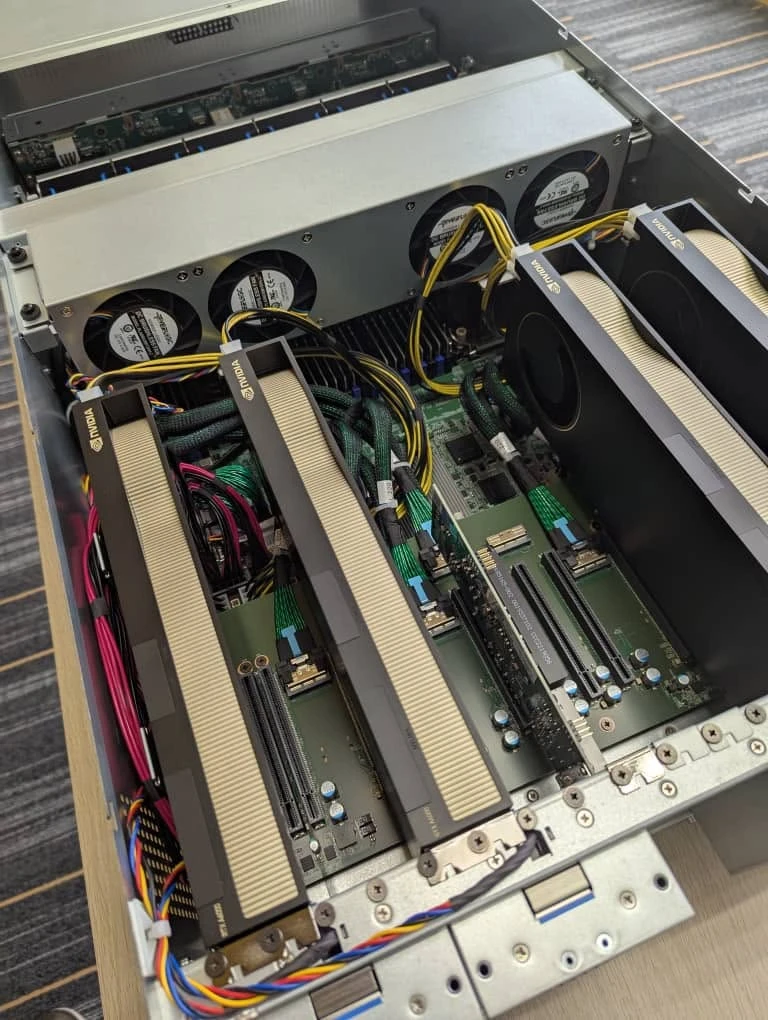
AI server — 4x NVIDIA A6000
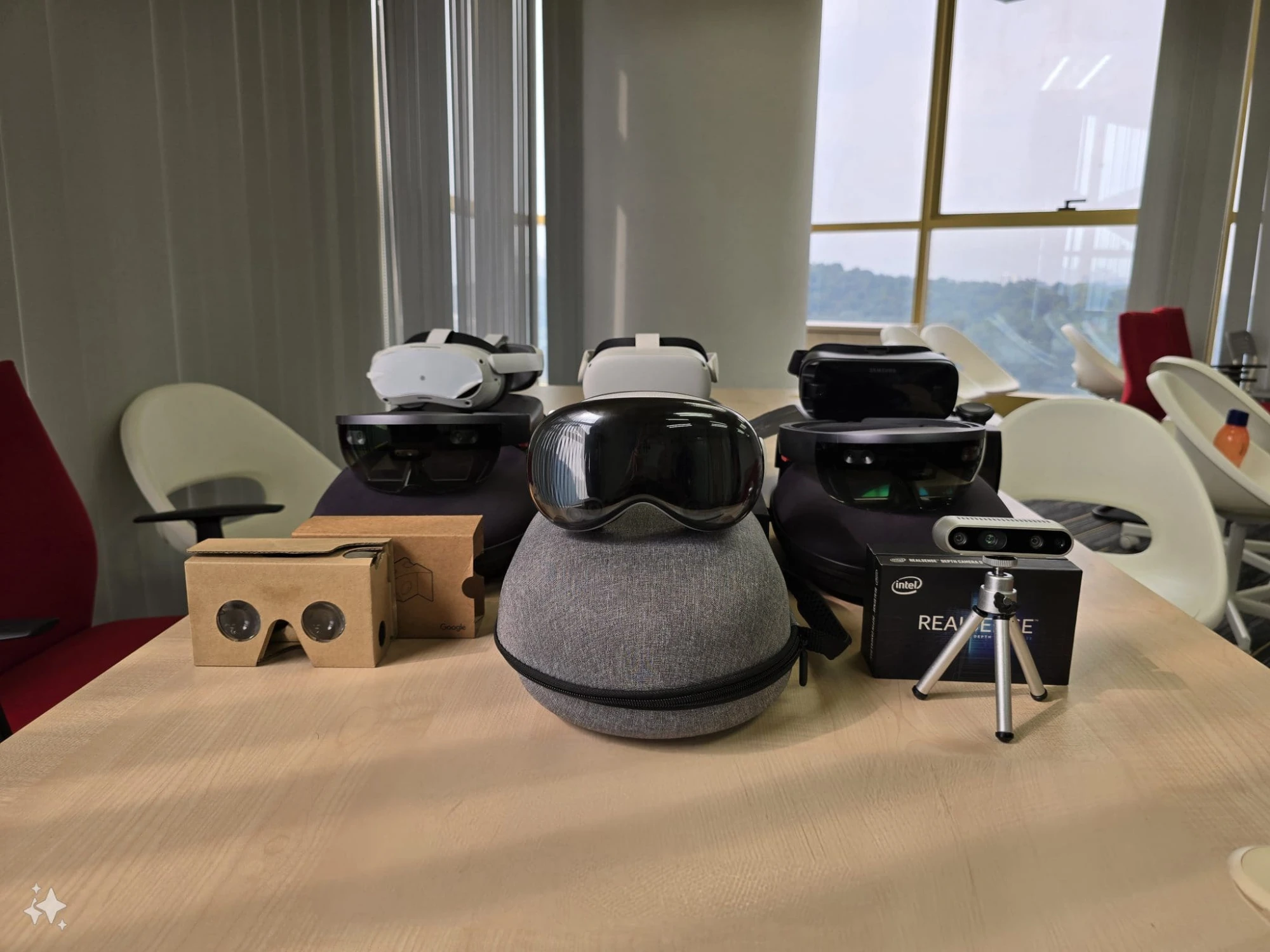
XR lab — Apple Vision Pro, Meta Quest & more
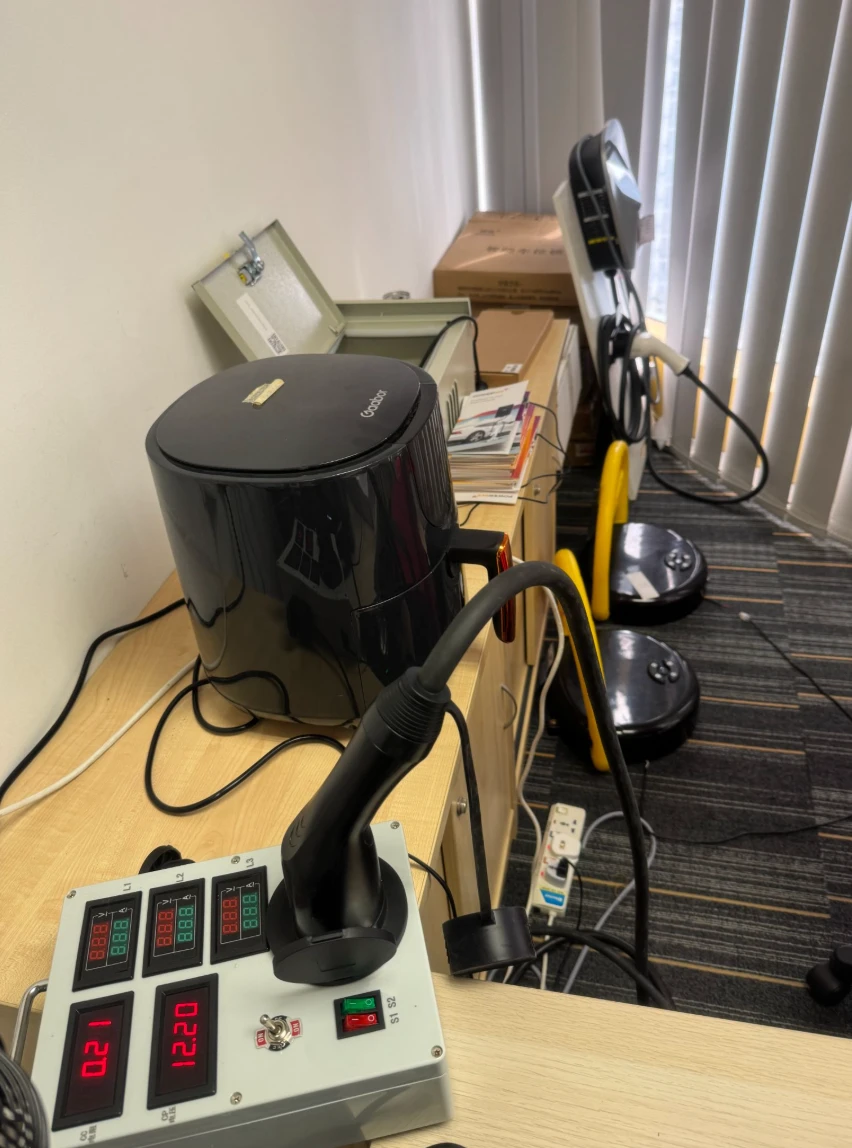
EV lab — ABB, Siemens, Autel, EN+ & more
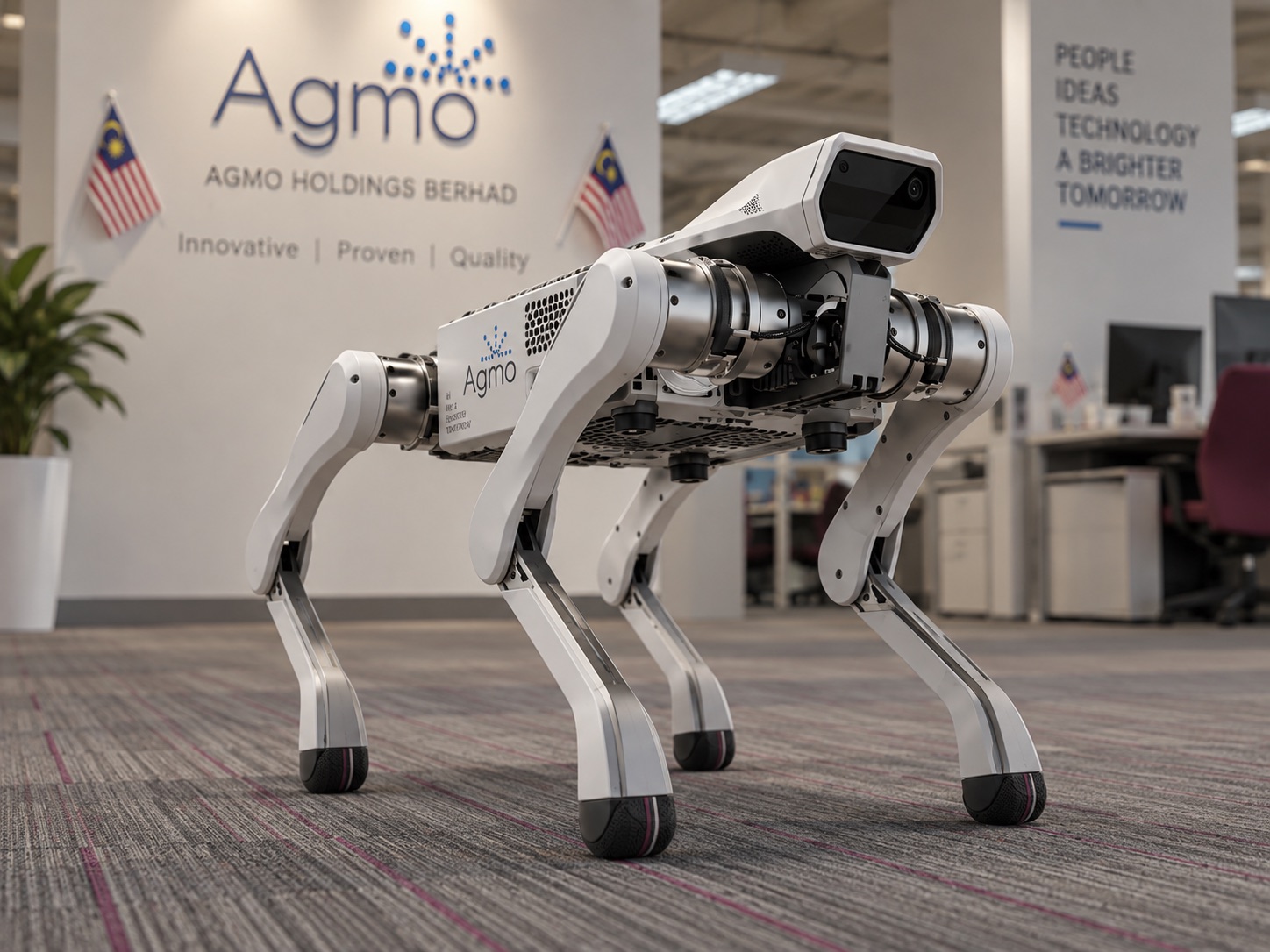
Robotics — quadruped robot dog
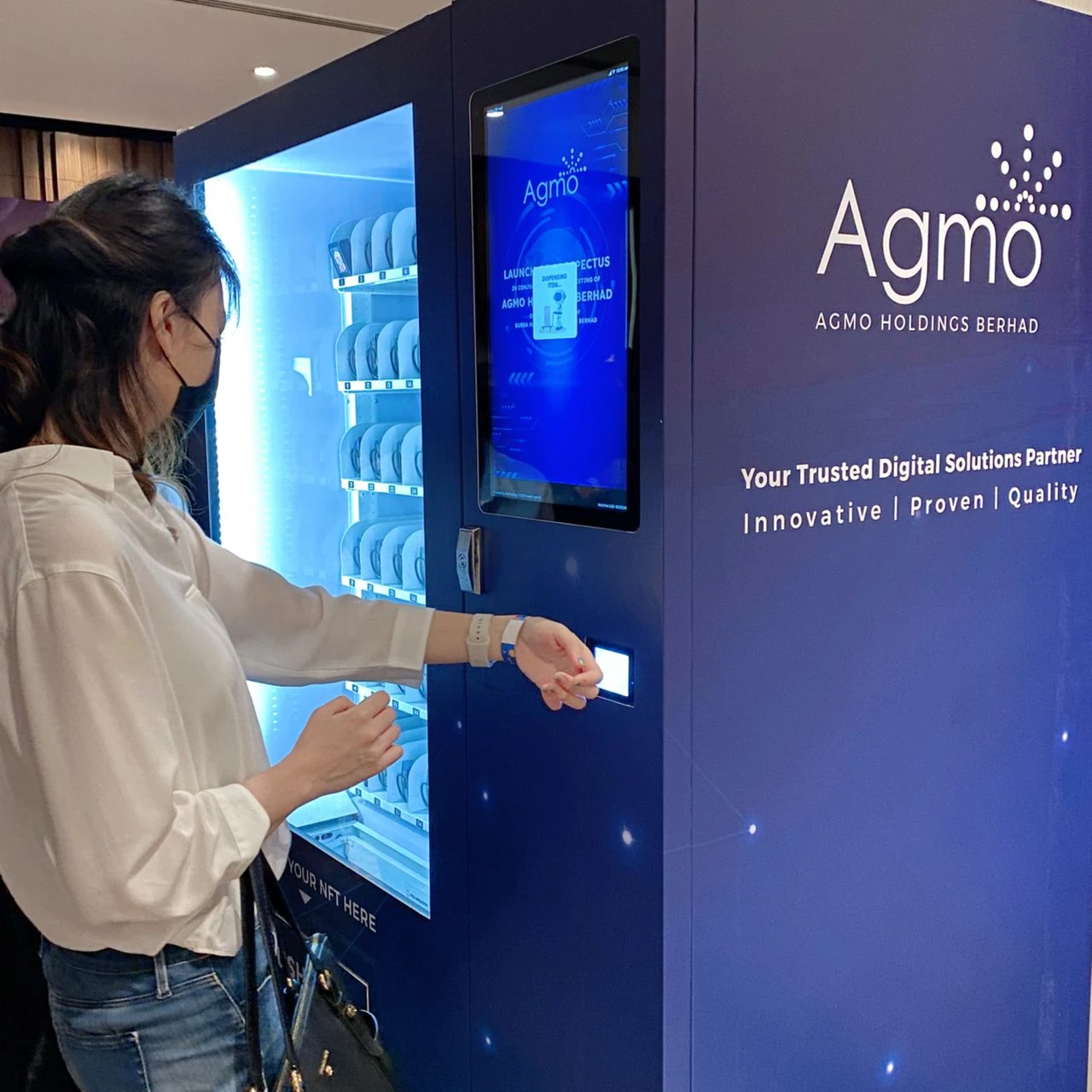
Smart vending — our own RFID “Smarty Pantry”
Empowering Digital Transformation,
Together We Grow.
Say hello — tell us what you’re building.
Say Hello!